The Ultimate Guide to Moroccan Gifts: From Ancient Crafts to Modern Treasures
Introduction: Unwrapping the Magic of Morocco
Stepping into a Moroccan souk is like tumbling into a living tapestry, a riot of colors, textures, and scents. More than a simple marketplace, it’s a stage where history, culture, and artistry perform in a captivating spectacle. The souvenirs you find here are not mere trinkets destined for dusty shelves; they are fragments of a vibrant story, whispers of ancient traditions, and echoes of the skilled hands that shaped them.
Forget the generic tourist traps. Morocco offers a treasure trove of unique and authentic gifts, each imbued with a distinct character. From intricately woven Berber rugs to the mesmerizing glow of hand-hammered lanterns, the possibilities are as diverse as the landscape itself.
In this guide, we’ll embark on a journey to discover the best gifts Morocco has to offer, delving into their fascinating stories, uncovering insider tips on how to shop like a local, and most importantly, exploring the ethical considerations that should guide your purchases.
Your Moroccan Gift Wishlist: What to Bring Home
For the Homebody & Decor Enthusiast
Berber Rugs: These are not just floor coverings; they are narrative tapestries woven with the stories of Berber women. Think of the plush, creamy Beni Ourain rugs or the vibrant, geometrically patterned Azilal rugs. Each knot and symbol whispers tales of life, fertility, and protection.
Ceramics & Pottery: The iconic blue and white ceramics of Fes are instantly recognizable, but delve deeper to discover intricate dishes, tagines perfect for slow-cooking, and decorative pieces that add a touch of Moroccan flair to any home.
Mesmerizing Lanterns: Marrakech’s artisans are masters of metal magic, crafting lanterns that cast enchanting light patterns, transforming any space into a cozy haven.
Chic Leather Poufs & Thuya Wood Boxes: Versatile and stylish, leather poufs add a comfortable seating option, while Thuya wood boxes, often found in Essaouira, provide elegant storage solutions. Many poufs are sold unstuffed for easy travel, a savvy trick for bringing a piece of Morocco home without the bulk.
Bonus Bits: Consider the intricate beauty of Zellige tiles or the rustic charm of hammered metalwork – subtle yet impactful additions to any décor.
Wearable Wonders & Personal Pampering
Liquid Gold: Argan Oil: The beauty secret of Morocco, Argan oil, is available in both cosmetic and culinary grades. Sourced from the Argan tree, which has been vital for Amazigh communities for millions of years, this oil is a true treasure.
Stylish Leather Goods: From the ancient tanneries of Fes come an array of leather goods – bags, wallets, belts, and the famous comfy babouches (slippers). These are lasting pieces of craftsmanship.
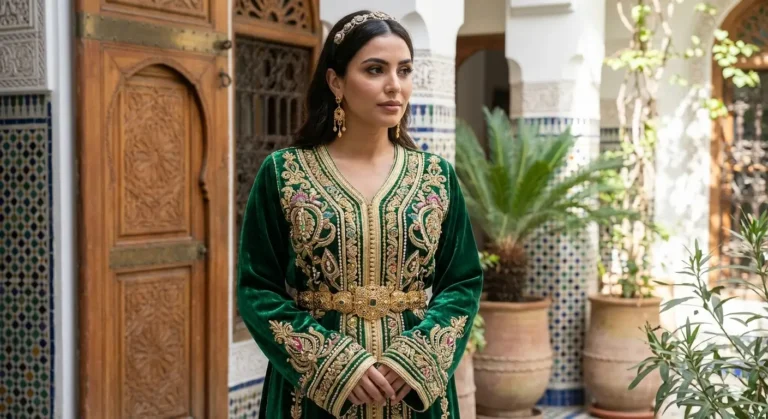
Flowing Fashion: Embrace the elegance of Djellabas and Kaftans with intricate embroidery, or choose from beautifully woven scarves that add a touch of Moroccan flair to any outfit.
Sparkling Moroccan Jewelry: Seek out ornate Berber-style pieces, often silver, featuring meaningful symbols like Fatima’s Hand. Tiznit is renowned as the silver capital of Morocco.
Little Luxuries: Indulge in the delicate scents of rose water and rose oil, or choose from a variety of handmade soaps crafted with natural ingredients.
Culinary Delights for the Foodie
Spice Route Treasures: Bring the flavors of Morocco home with saffron, turmeric, Ras el Hanout, and other vibrant spices. These will transport your taste buds to the bustling markets of Marrakech.
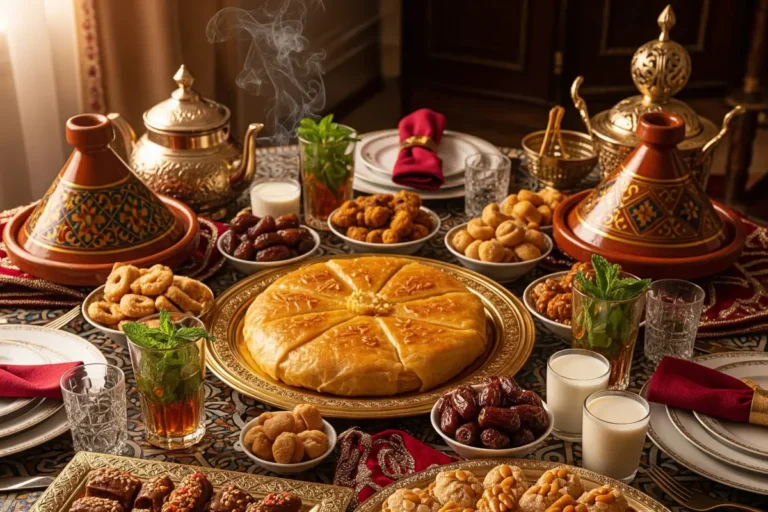
Moroccan Mint Tea & Teapots: Experience the essence of Moroccan hospitality with a traditional mint tea set. “Berber whiskey,” as it’s affectionately known, is more than just a drink; it’s a symbol of welcome and conviviality.
Sweet Treats & Gourmet Finds: Delight in local pastries like Kaab Al-Ghazal (gazelle horns), unique honey varieties, and high-quality olive oil.
Whispers from the Past: The Rich History Behind the Crafts
Berber Rugs: Woven Through Time
Ancient Roots: The tradition of weaving Berber rugs stretches back millennia. These rugs were originally crafted by Berber women in the Atlas Mountains, serving as both warmth and a canvas for storytelling.
Symbolic Language: Every diamond, ‘X’, or bird woven into the rug tells a tale. These symbols represent aspects of life, fertility, protection, and identity. Even the colors speak volumes, conveying specific meanings within the community.
Diplomatic & Domestic: From medieval diplomatic gifts to 16th-century wedding presents, Berber rugs have always been cherished, signifying their importance and value within Moroccan society.
Fez Leather: A Living Legacy
Centuries of Craft: The tanneries of Fez, particularly Chouara, have been perfecting the art of leather-making for almost a thousand years. The process remains remarkably traditional, offering a glimpse into a bygone era.
“The House of Gold”: The leather trade was so valuable that it earned Fez the nickname “The House of Gold,” highlighting its economic importance throughout history.
Natural Wonders: The traditional leather-making process relies on natural dyes derived from plants and minerals, a testament to the ingenuity and resourcefulness of Moroccan artisans.
Global Fame: “Morocco” leather became a mark of quality across continents, a testament to the skill and artistry of Fez’s tanners.
Argan Oil: The Amazigh “Tree of Life”
Ancient Origins: The Argan tree, indigenous to southwestern Morocco, has been vital for Amazigh communities for an astonishing 65 million years. It’s more than just a tree; it’s a lifeline.
Women’s Wisdom: The painstaking process of extracting Argan oil has been passed down through generations of Amazigh women. Their knowledge and skills are essential to preserving this ancient tradition.
Dual Power: Argan oil has historically been used for both nourishing food, such as the delectable amlou (a blend of Argan oil, almonds, and honey), and powerful beauty and healing remedies.
UNESCO Recognition: The Argan tree and its cultural significance have been recognized by UNESCO, further highlighting its importance as a world heritage.
Shopping Smart: Current Trends & Savvy Souk Secrets
What’s Hot in 2024-2025: Argan oil, leather goods, spices, ceramics, and rugs remain perennial favorites, but traditional clothing and natural cosmetics are experiencing a surge in popularity, reflecting a growing interest in sustainable and authentic products.
Where to Bag the Best: Specific cities are known for particular crafts. Fes is the place to go for pottery and leather, while Essaouira is famous for Argan oil and Thuya wood products.
The Art of the Haggle: Embrace the art of negotiation! Haggling is not considered rude; it’s an integral part of the cultural experience and often expected. Approach it with good humor and respect.
Support Local, Shop Authentic: Buying directly from artisans is key for ensuring quality and supporting local communities. Look for workshops and cooperatives that prioritize fair wages and sustainable practices.
Beyond the Beauty: Navigating Ethical Choices & Cultural Nuances
The Leather Lowdown: Making Conscious Choices
Traditional vs. Global: Acknowledge the deep history and artistry of Moroccan leather artisans. Their skills have been honed over generations, creating products of exceptional quality and beauty.
The Wider Conversation: It’s important to be aware of the broader ethical concerns within the global leather industry, including animal welfare, working conditions, and the environmental impact of modern tanneries.
Your Power as a Buyer: By choosing ethically produced, traditional Moroccan leather – often made with natural dyes and supporting local communities – you can make a positive difference. Seek out workshops that prioritize fair labor practices and sustainable methods.
Cultural Appreciation, Not Appropriation
Respecting the Art: Understand that patterns and designs used in Moroccan crafts often carry deep cultural meanings. Before purchasing an item, take the time to learn about its symbolism and significance.
Giving Credit Where It’s Due: It’s essential to appreciate and support the original creators rather than simply buying copies without context. Acknowledge the artistry and cultural heritage that goes into each piece.
The Artisan Connection: Buying directly from local workshops helps preserve traditions and supports communities. It also allows you to connect with the artisans and learn firsthand about their craft.
The Future of Moroccan Gifts: A Blend of Old & New
Modern Moroccan Chic: Traditional crafts are getting a contemporary twist. Look for abstract pottery, sleek lanterns, and babouches with a modern edge, showcasing the creativity and innovation of Moroccan artisans.
Sustainability is Key: The enduring commitment to natural, local materials, such as clay, wool, and vegetable-tanned leather, reflects a growing awareness of eco-friendly practices and a desire to preserve the environment.
Empowering Communities: Artisan cooperatives, particularly those focused on women’s empowerment, play a vital role in ensuring ethical production and promoting economic independence.
Global Reach with a Local Soul: The booming digital presence and e-commerce platforms are connecting Moroccan artisans to a worldwide audience, allowing them to share their creations while keeping traditions alive.
Conclusion: Bringing a Piece of Morocco Home, Thoughtfully
In the end, a Moroccan gift is more than just a souvenir. It’s a tangible piece of history, culture, and heart. By making thoughtful choices, you can honor the craftsmanship, support local communities, and bring joy to your loved ones. Each gift becomes a story, a connection to a vibrant land and its people, a memory to cherish for years to come.