Moroccan Mint Tea: History, Ritual, Recipe, and Cultural Meaning
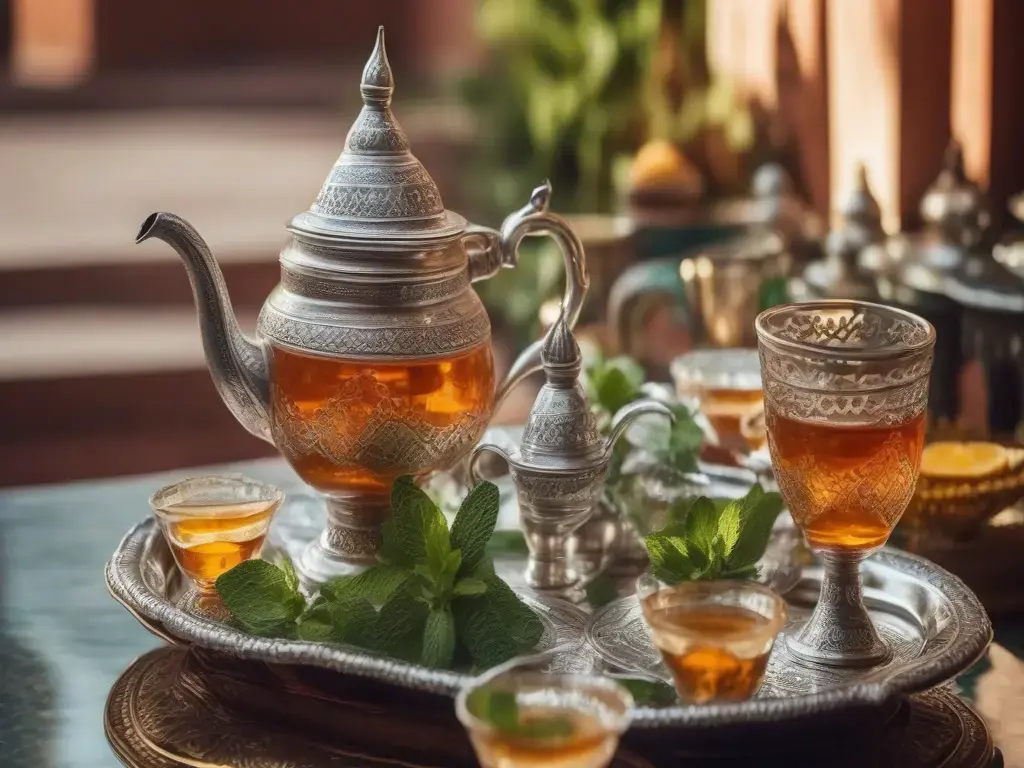
Few Moroccan experiences are as memorable as the first sip of Moroccan Mint Tea. The fragrance arrives before the glass does: fresh mint crushed gently by steam, warm green tea, and the unmistakable sweetness that lingers in the air. Then comes the sound—the soft clink of small glasses on a silver tray, the bubbling pour from a polished teapot held high above the cup, and the delicate foam rising like a small crown on the amber-green liquid.
Known in Morocco as Atay, Moroccan Mint Tea is traditionally made with Gunpowder green tea, fresh Nana mint, sugar, and boiling water. But reducing it to a simple recipe would miss its true meaning. This tea is not merely a drink; it is a symbol of Moroccan hospitality, family gatherings, patience, conversation, and ceremony.
From the busy souks of Marrakech to mountain villages in the Atlas, from seaside homes in Essaouira to desert camps near Merzouga, Moroccan Mint Tea remains one of the most beloved expressions of Moroccan heritage. It is served to welcome guests, accompany meals, mark important moments, and turn ordinary afternoons into occasions of connection. It also reflects the everyday authenticity behind the meaning of Lbeldi.
Table of Contents
The History of Moroccan Mint Tea
How Tea Arrived in Morocco
Although Moroccan Mint Tea feels ancient and deeply rooted in Moroccan identity, tea itself is not native to Morocco. The foundation of the drink—green tea—arrived through international trade, especially during the 18th and 19th centuries.
One commonly cited historical explanation connects the spread of tea in Morocco to British trade. As European merchants expanded their routes, Chinese green tea entered North African markets. During the Crimean War in the 1850s, trade disruptions reportedly redirected shipments of Chinese tea away from the Baltic region and toward Morocco, where it found a receptive audience.
Morocco already had a strong culture of herbal infusions, using local plants such as mint, verbena, sage, and wormwood. When imported green tea met Morocco’s abundant fresh mint and generous use of sugar, a new national ritual was born.
From Foreign Import to National Drink
Moroccans did not simply adopt tea; they transformed it. Chinese Gunpowder green tea became the base, but Moroccan customs shaped the preparation, presentation, and meaning of the drink.
Tea became a part of daily life across social classes. It was served in urban salons, mountain homes, rural farms, desert tents, and marketplace stalls. Over time, the Moroccan tea ceremony developed its own etiquette, tools, techniques, and symbolism.
Today, Moroccan Mint Tea is one of the most recognizable features of Moroccan culture. It is offered at home, in riads, restaurants, roadside cafés, artisan shops, and family celebrations.
The “Whiskey of the Berbers”
Moroccan Mint Tea is sometimes called the “Whiskey of the Berbers,” a nickname popularized by travelers and writers. The phrase refers not to alcohol—Moroccan Mint Tea is non-alcoholic—but to its social role.
Like whiskey in some cultures, tea is shared slowly, poured ceremoniously, and enjoyed during conversation. Among Amazigh communities and throughout Morocco, tea often accompanies negotiation, storytelling, hospitality, and rest. It is both refreshment and ritual.
The Essential Ingredients of Moroccan Mint Tea
A proper Atay recipe depends on a few simple ingredients. The beauty of Moroccan Mint Tea lies in the balance between strong tea, fresh mint, sweetness, and proper brewing.
Gunpowder Green Tea
The traditional base is Gunpowder green tea, a Chinese green tea whose leaves are rolled into small pellets. These tightly rolled leaves resemble old gunpowder grains, which explains the name.
Gunpowder tea is ideal for Moroccan Mint Tea because:
- It has a bold, slightly smoky flavor.
- The rolled leaves withstand boiling water better than delicate green teas.
- It produces a strong infusion that balances well with sugar and mint.
- It can be brewed directly in a teapot, as in the traditional method.
When shopping for tea, look for loose-leaf Gunpowder green tea rather than tea bags. Loose tea gives a richer flavor and a more authentic result.
Fresh Nana Mint
The classic mint used in Morocco is Nana mint, a type of spearmint known for its refreshing aroma and gentle sweetness. Botanically, it is associated with Mentha spicata, or spearmint.
Nana mint is preferred because it is:
- Bright and aromatic without being harsh.
- Naturally sweet and cooling.
- Less aggressive than peppermint.
- Perfectly suited to hot tea.
If you cannot find Nana mint, use fresh spearmint as the closest substitute. Avoid dried mint if possible; it lacks the lively fragrance that defines Moroccan Mint Tea.
Sugar: The Traditional Sweetness
Traditional Moroccan Mint Tea is famously sweet. Sugar is not an afterthought—it is part of the drink’s identity.
Historically, sugar was sometimes added as a large cone or block, then broken or dissolved into the pot. Today, sugar cubes or granulated sugar are more common. The level of sweetness varies by household and region, but in traditional settings, the tea is often much sweeter than what many non-Moroccan drinkers expect.
The sugar serves several purposes:
- It balances the bitterness of green tea.
- It enhances the freshness of the mint.
- It gives the tea its familiar Moroccan character.
- It reflects generosity in hospitality.
For a lighter version at home, you can reduce the sugar, but the traditional flavor depends on at least some sweetness.
Water Quality and Boiling
Water matters. Since Moroccan Mint Tea uses few ingredients, poor-quality water can affect the taste. Use fresh, clean water and bring it to a full boil.
Unlike many delicate green teas, Moroccan Mint Tea is traditionally prepared with boiling water. This helps extract the strength of the Gunpowder green tea and allows the mint and sugar to blend deeply into the infusion.
The Moroccan Tea Ceremony: Tools and Ritual
The Moroccan tea ceremony is not just about brewing. It is a performance of welcome, patience, elegance, and care.
The Berrad: Moroccan Teapot
The traditional Moroccan teapot is called a berrad. It is usually made of metal, often silver-colored, and designed to sit over heat. Its long, curved spout allows the tea to be poured from a height.
A good berrad is both practical and beautiful. It keeps the tea hot, allows ingredients to brew together, and creates the dramatic high pour that Moroccan tea is known for.
Moroccan Tea Glasses
Moroccan Mint Tea is served in small decorated glasses, not mugs. These glasses allow the color of the tea to shine and make each serving feel ceremonial.
The small size also encourages multiple servings, which is important to the ritual. Tea is not rushed; it is served, refilled, and enjoyed over time.
The Silver Tray
Tea is often presented on a decorative tray, sometimes silver or brass. The tray may hold the teapot, glasses, sugar, fresh mint, and small sweets. In Moroccan homes, the presentation is part of the hospitality.
How to Prepare Moroccan Mint Tea Traditionally
There are many family variations, but the traditional method usually includes washing the tea leaves, brewing, sweetening, and pouring.
Ingredients
For 4 to 6 small glasses:
- 1 tablespoon loose Gunpowder green tea
- 1 large handful fresh Nana mint or spearmint
- 3 to 5 tablespoons sugar, adjusted to taste
- 4 cups boiling water
- Extra mint sprigs for serving, optional
Step 1: Wash the Tea Leaves
Place the Gunpowder green tea in the teapot. Add a small amount of boiling water, swirl gently, and pour off the liquid after a few seconds.
This step is often called “washing” the tea. It helps remove some bitterness and dust from the tea leaves while awakening their flavor.
Some Moroccan tea makers discard the first rinse completely. Others preserve part of the first infusion, depending on local or family technique.
Step 2: Add Water and Steep
Add fresh boiling water to the teapot. Let the tea steep briefly so the leaves begin to open.
Because Gunpowder green tea is strong, avoid letting it brew too long before adding mint and sugar, especially if you prefer a smoother tea.
Step 3: Add Fresh Mint
Rinse the fresh mint thoroughly, then add it to the teapot. Use generous sprigs with leaves still attached to the stems.
Push the mint gently into the pot, but do not crush it aggressively. Fresh mint can become bitter if bruised too much or boiled for too long.
Step 4: Add Sugar
Add sugar according to taste. Traditional Moroccan Mint Tea is sweet, but you can adjust the quantity.
If you are serving Moroccan guests or aiming for authenticity, make it noticeably sweet. If you prefer a lighter version, begin with less sugar and add more if needed.
Step 5: Mix by Pouring
Rather than stirring with a spoon, the Moroccan method often mixes the tea by pouring a glass of tea and returning it to the pot. This may be repeated several times until the sugar dissolves and the flavors combine.
This technique preserves the ceremony and helps distribute the ingredients evenly.
Step 6: The High Pour
Pour the tea from a height into small glasses. The high pour aerates the tea and creates a layer of bubbles or foam on top, sometimes called the “turban.”
A good foam is considered a sign of well-poured tea. It also cools the tea slightly and enhances the drinking experience.
Practical Tips for Better Moroccan Mint Tea
Use Fresh Mint Generously
Moroccan Mint Tea should smell fresh before you even taste it. If the aroma is weak, use more mint.
Do Not Over-Steep the Tea
Gunpowder green tea can become bitter if brewed too long. Washing the leaves and balancing with mint and sugar helps, but timing still matters.
Warm the Teapot First
Rinsing the teapot with hot water before brewing helps maintain temperature and improves extraction.
Adjust Sweetness Gradually
If you are new to Moroccan tea, begin with moderate sugar and increase as desired. Traditional tea is sweet, but homemade tea should also suit your taste.
Serve in Small Glasses
The experience changes when served in large mugs. Small glasses preserve the ritual and keep each pour fresh and hot.
Pour with Confidence
The high pour takes practice. Start close to the glass, then gradually lift the teapot higher as you gain control.
Common Mistakes to Avoid
Using Peppermint Instead of Spearmint
Peppermint can be too sharp and menthol-heavy. Spearmint or Nana mint gives a smoother, more authentic flavor.
Using Tea Bags
Tea bags can work in a hurry, but they rarely provide the depth and strength of loose Gunpowder green tea.
Skipping the Tea Wash
Skipping the rinse may result in a more bitter tea, especially with strong Gunpowder leaves.
Boiling the Mint Too Long
Long boiling can make mint taste dull or bitter. Add mint after the tea has begun brewing and avoid overcooking it.
Under-Sweetening Traditional Tea
While personal preference matters, Moroccan Mint Tea without sweetness loses much of its traditional character.
Serving Without Ceremony
The tea is more than a drink. Presentation, pouring, and shared time are part of what makes it Moroccan.
Cultural Significance and Etiquette
A Symbol of Moroccan Hospitality
In Morocco, tea is one of the most important gestures of welcome. When a guest enters a home, shop, or tent, offering tea expresses warmth, respect, and generosity.
To refuse tea may be considered impolite in many traditional contexts, especially when it is offered sincerely by a host. Even accepting one small glass shows appreciation.
Who Prepares the Tea?
In everyday family life, anyone may prepare tea. However, in formal or traditional settings, the tea is often prepared by the male head of the household or another respected host.
This role is not simply functional. Preparing tea is a way of honoring guests. The host measures, brews, pours, and serves with care.
The Three Glasses of Tea
A famous Moroccan proverb describes the three servings of tea:
- The first glass is as gentle as life.
- The second glass is as strong as love.
- The third glass is as bitter as death.
This poetic saying reflects how the tea changes as it sits. The first glass may be light and fresh, the second richer and more balanced, and the third stronger and more intense.
It also expresses a Moroccan way of seeing hospitality: tea unfolds slowly, like conversation, emotion, and life itself.
Health Benefits of Moroccan Mint Tea
Moroccan Mint Tea is enjoyed first for culture and flavor, but its ingredients also offer several wellness benefits.
Digestive Support
Mint is widely known for its soothing effect on digestion. The menthol in mint may help calm the stomach and provide a refreshing feeling after rich meals.
This is one reason Moroccan Mint Tea is often served after dishes such as tagine, couscous, grilled meats, or pastries.
Antioxidants from Green Tea
Gunpowder green tea contains antioxidants, including catechins, which are associated with general wellness. Green tea has long been appreciated for its refreshing taste and natural plant compounds.
A Calming Ritual
The benefits of Moroccan Mint Tea are not only physical. The ritual itself encourages slowing down. Washing the mint, heating the pot, pouring carefully, and sharing small glasses create a moment of pause.
The aroma of mint, the warmth of the glass, and the rhythm of conversation all contribute to stress relief and relaxation.
A Note on Sugar
Traditional Moroccan Mint Tea contains sugar, sometimes a generous amount. If you are watching your sugar intake, you can reduce the quantity while still enjoying the cultural and aromatic qualities of the tea.
Regional Variations of Moroccan Mint Tea
Moroccan Mint Tea changes subtly from region to region and season to season.
Winter Additions: Sheeba and Herbs
In colder months, some families add sheeba—wormwood—to tea. It has a strong herbal bitterness and is often used in winter. Because sheeba is powerful, only a small amount is needed.
Other herbs may include:
- Lemon verbena
- Sage
- Wild thyme
- Orange blossom
- Other regional aromatic plants
These additions reflect Morocco’s rich herbal traditions.
Summer Tea
In summer, tea is usually lighter, fresher, and filled with abundant mint. The cooling aroma of Nana mint makes it especially refreshing, even when served hot.
Northern and Southern Styles
Northern Moroccan tea may be slightly lighter and sometimes more herb-forward, depending on the household. In southern Morocco and desert regions, tea is often stronger and sweeter, with a pronounced ceremonial style.
These differences are not strict rules. Every family has its own method, and many Moroccans will say the best tea is the one made with patience and generosity.
How to Enjoy Moroccan Mint Tea at Home
You do not need a Moroccan riad or a traditional silver teapot to enjoy Moroccan Mint Tea at home. With good ingredients and attention to technique, you can create a beautiful version in your own kitchen.
Simple Atay Recipe for Home
Ingredients
- 1 tablespoon loose Gunpowder green tea
- 1 large bunch fresh spearmint or Nana mint
- 3 tablespoons sugar, or to taste
- 4 cups boiling water
Method
- Add the tea leaves to a teapot.
- Pour in a small splash of boiling water, swirl, and discard.
- Add 4 cups boiling water and steep for 2 minutes.
- Add fresh mint and sugar.
- Let steep for another 3 to 4 minutes.
- Pour one glass and return it to the pot to mix.
- Serve in small glasses with a high pour if possible.
Pairing Suggestions
Moroccan Mint Tea pairs beautifully with both sweet and savory foods.
Try serving it with:
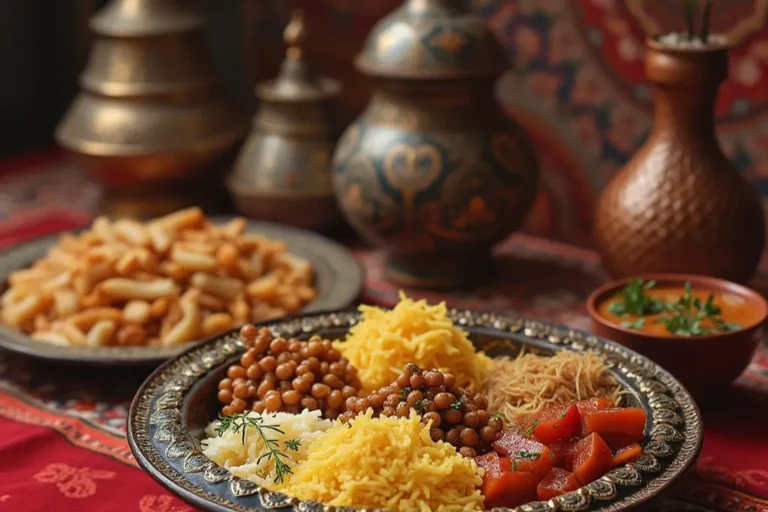
- Moroccan almond cookies
- Fekkas, the Moroccan twice-baked biscuit
- Dates stuffed with almonds
- Chebakia during Ramadan
- Ghriba cookies
- Sellou
- Fresh fruit
- Simple roasted nuts
The tea’s sweetness and minty freshness balance rich pastries especially well.
Moroccan Mint Tea in Daily Life
One of the reasons Moroccan Mint Tea remains so beloved is that it belongs to both ordinary and special moments.
It is served:
- After meals
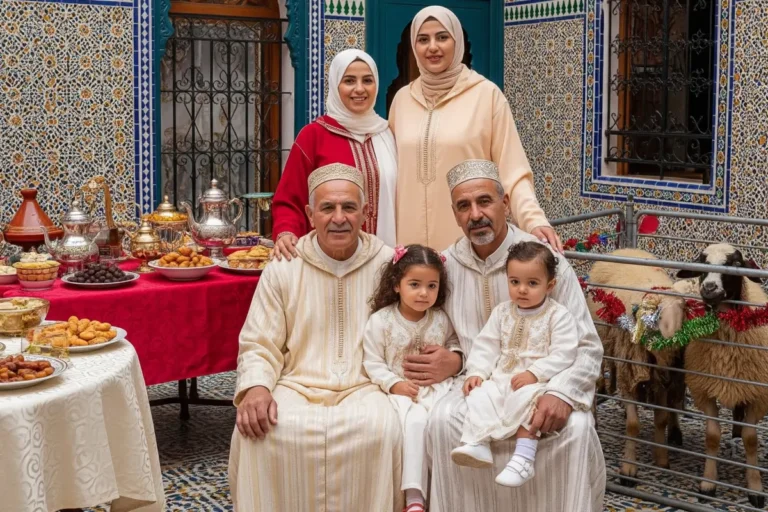
- During family visits
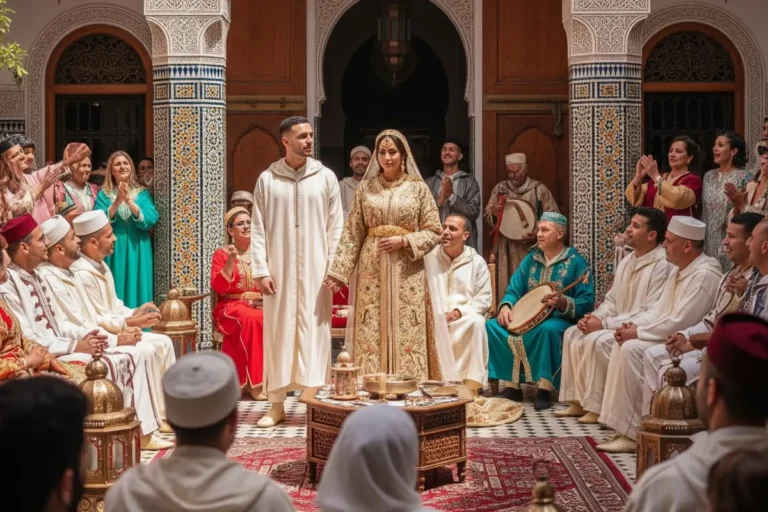
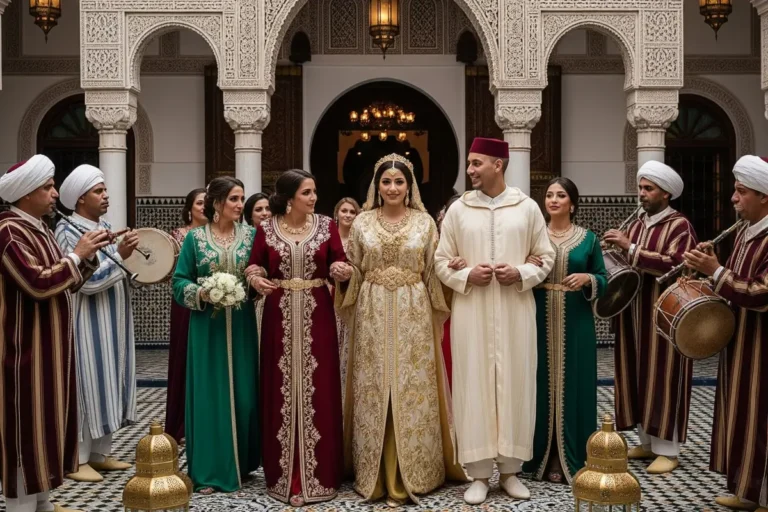
- At weddings and celebrations
- In artisan shops during negotiation
- In cafés with friends
- During Ramadan evenings
- In rural homes after work
- In desert camps under the stars
It is both everyday and ceremonial. That dual nature is part of its charm.
A pot of tea says: sit down, rest, speak, listen, and stay a little longer.
Conclusion: A Cup of Moroccan Heritage
Moroccan Mint Tea is a bridge between past and present. Its ingredients tell a story of global trade, local herbs, family traditions, and Moroccan creativity. Its preparation turns simple tea into ceremony. Its serving transforms guests into welcomed companions.
Whether poured from a silver berrad in a Moroccan courtyard or prepared in a modern kitchen far from North Africa, Atay carries the same message: hospitality matters, time is worth sharing, and flavor is most meaningful when enjoyed together.
To drink Moroccan Mint Tea is to embrace a slower rhythm—the spirit of patience, or Magana, where the clock softens and conversation becomes the true occasion.