What Are the Benefits of Moroccan Oil?
Moroccan oil is often called “liquid gold,” and for good reason. For generations, it has been treasured in Morocco as a nourishing beauty oil used for hair, skin, nails, and traditional self-care rituals. Today, it has become a global beauty favorite, appearing in hair serums, face oils, body moisturizers, masks, and spa treatments.
At its purest, Moroccan oil comes from the kernels of the argan tree, known botanically as Argania spinosa. This tree grows mainly in southwestern Morocco, especially in the Souss-Massa region, where argan oil production is deeply connected to Moroccan heritage, rural communities, and traditional craftsmanship.
However, it is important to understand one key distinction: pure argan oil and Moroccan oil beauty products are not always the same thing. Pure argan oil contains only one ingredient: Argania Spinosa Kernel Oil. Many products labeled “Moroccan oil” may include argan oil blended with silicones, fragrances, preservatives, or other conditioning ingredients. These formulas can still be useful, especially for hair styling, but they are not the same as raw, pure Moroccan argan oil.
Whether used as a hair treatment, facial oil, body moisturizer, or cuticle softener, Moroccan oil is valued for its rich nutrient profile and versatile beauty benefits. This guide explores what Moroccan oil is, why it works, how to use it properly, and what to look for when buying it.
Table of Contents
What Is Moroccan Oil?
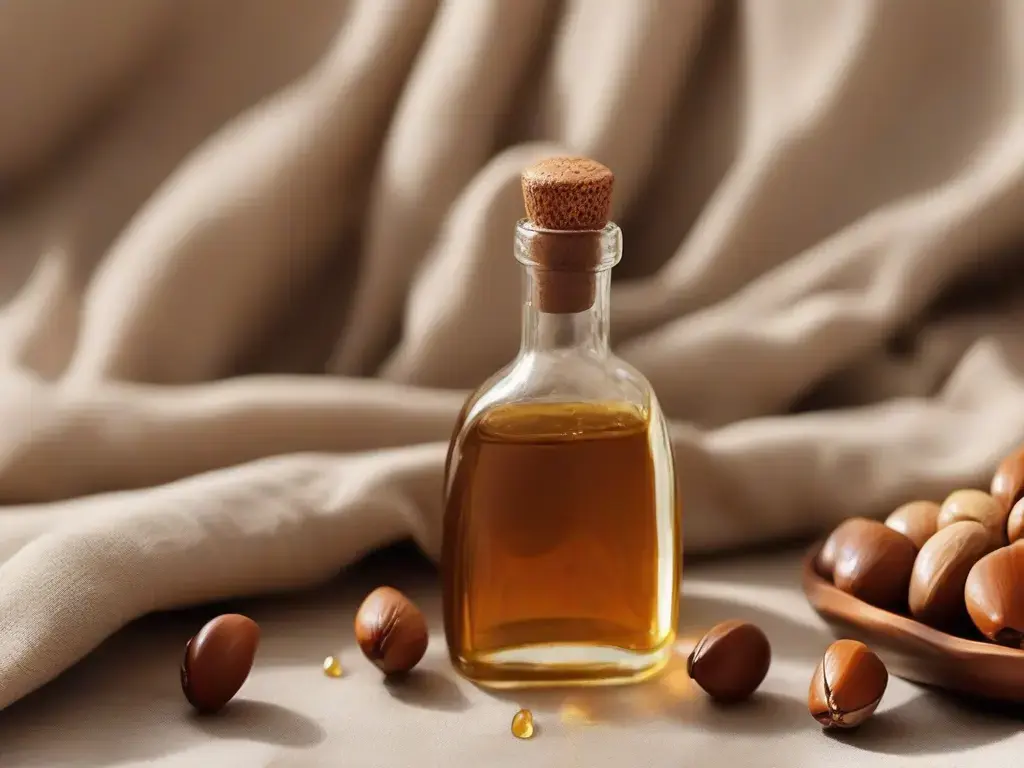
Moroccan oil usually refers to argan oil, a natural oil extracted from the kernels of the argan tree. The argan tree is native to Morocco and is known for its resilience in dry, semi-arid climates. Its fruit contains hard kernels, which are carefully processed to produce the golden oil prized in both culinary and cosmetic traditions.
In Moroccan beauty culture, argan oil has long been used to soften hair, moisturize skin, protect against dryness, and support a healthy-looking glow. The traditional production process is labor-intensive and often carried out by women’s cooperatives, making argan oil not only a beauty ingredient but also an important part of Morocco’s cultural and economic heritage.
Pure Argan Oil vs. Moroccan Oil Products
When shopping for Moroccan oil, you may see many products labeled with terms such as “Moroccan oil treatment,” “argan oil serum,” or “Moroccan hair oil.” These are not always pure argan oil.
Here is the difference:
- Pure Moroccan argan oil: Contains only Argania Spinosa Kernel Oil. It can be used on hair, face, body, nails, and cuticles.
- Moroccan oil hair products: Often contain argan oil plus silicones, fragrance, and conditioning agents. These are usually designed to smooth hair, reduce frizz, and add shine.
- Cosmetic blends: May combine argan oil with other oils such as jojoba, coconut, almond, or rosehip oil.
Neither option is automatically “better.” Pure argan oil is ideal if you want a natural multipurpose oil, while Moroccan oil hair serums can be excellent for styling and frizz control.
The Nutrient Profile of Moroccan Oil
The benefits of Moroccan oil come from its naturally rich composition. It contains antioxidants, essential fatty acids, vitamin E, and plant compounds that help nourish and protect the hair and skin.
Vitamin E
Moroccan oil is naturally high in vitamin E, a powerful antioxidant known for helping protect the skin and hair from environmental stress. Vitamin E supports moisture retention, helps maintain skin softness, and contributes to a healthier-looking scalp and hair.
For hair, vitamin E can help improve shine and reduce the appearance of dryness. For skin, it supports a smoother, more supple texture.
Essential Fatty Acids
Argan oil is especially rich in fatty acids, particularly:
- Oleic acid, an omega-9 fatty acid that helps soften and condition.
- Linoleic acid, an omega-6 fatty acid that supports the skin barrier and helps reduce moisture loss.
These fatty acids are one of the main reasons Moroccan oil is so effective for dry hair, rough skin, and brittle nails.
Antioxidants
Moroccan oil contains natural antioxidants that help protect against daily environmental exposure, including pollution, dry air, and sun-related stress. While it should not replace sunscreen, it can support the skin’s natural defense system and help improve the appearance of dullness caused by dryness or environmental factors.
Squalene
Squalene is another valuable component found in argan oil. It helps support moisture, softness, and skin comfort. Because it resembles lipids naturally found in the skin, it can be especially useful for maintaining a healthy-looking skin barrier.
One of the most famous uses of Moroccan oil is hair care. It is widely loved for its ability to smooth, soften, condition, and add shine without making the hair feel heavy when used correctly.
1. Deep Conditioning and Hydration
Moroccan oil helps nourish dry and damaged-looking hair by coating the strands and reducing moisture loss. It is especially useful for hair that feels rough, dull, or brittle due to heat styling, coloring, sun exposure, or dry weather.
It can be used as:
- A pre-shampoo treatment
- A leave-in conditioner
- A finishing oil
- A deep-conditioning booster mixed with a hair mask
For dry or curly hair, Moroccan oil can help improve softness and manageability. For fine hair, only a very small amount is needed to avoid a greasy finish.
2. Frizz Control and Smoother Hair
Frizz often happens when the hair cuticle is raised and moisture moves in and out of the strand unevenly. Moroccan oil helps smooth the outer layer of the hair, making strands look sleeker and more polished.
It is especially helpful for:
- Curly hair
- Wavy hair
- Thick hair
- Dry ends
- Hair exposed to humidity
- Color-treated hair
A few drops applied to damp or dry hair can reduce flyaways and make styling easier.
3. Natural Shine and Luster
One of the immediate benefits of Moroccan oil is the glossy finish it gives to the hair. Unlike some heavy oils, pure argan oil has a relatively lightweight feel when applied sparingly.
For a natural shine boost, rub one or two drops between your palms and lightly smooth over the mid-lengths and ends. Avoid applying too much near the roots unless your scalp is very dry.
4. Heat Styling Support
Moroccan oil can help create a light protective layer on the hair before blow-drying or styling. Many Moroccan oil hair products are designed specifically for heat styling because they contain silicones along with argan oil.
If you use hot tools regularly, Moroccan oil can help reduce the appearance of dryness and improve smoothness. However, pure argan oil alone should not be considered a complete heat protectant for very high temperatures. For flat irons or curling wands, it is best to use a dedicated heat-protectant product.
5. Scalp Comfort and Dryness Relief
A dry scalp can feel tight, itchy, or flaky. Moroccan oil may help soothe dryness by moisturizing the scalp and supporting the skin barrier.
To use it for scalp care:
- Warm a small amount of oil between your fingertips.
- Massage gently into the scalp.
- Leave for 20–30 minutes or overnight if your scalp is very dry.
- Wash thoroughly with a gentle shampoo.
This method can help soften dry flakes and improve scalp comfort. If you have persistent dandruff, irritation, or scalp inflammation, consult a dermatologist, as you may need targeted treatment.
Moroccan oil is not only a hair treatment. In Morocco, it has long been valued as a skin moisturizer, body oil, and natural beauty staple.
1. Moisturization for Dry and Normal Skin
Moroccan oil helps lock in moisture and soften rough areas. It is particularly useful on:
- Dry cheeks
- Elbows
- Knees
- Hands
- Feet
- Legs after shaving
- Dry patches on the body
For best results, apply it to slightly damp skin after bathing. This helps seal in hydration and leaves the skin feeling smoother.
2. Lightweight Nourishment for Many Skin Types
Although Moroccan oil is rich, it is not as heavy as some other oils. Many people find that it absorbs well and leaves a soft finish rather than a thick, greasy layer.
It can work for:
- Dry skin
- Mature skin
- Normal skin
- Combination skin
- Some oily skin types when used sparingly
If you have acne-prone or very sensitive skin, patch test first and start with a small amount.
3. Anti-Aging and Skin Elasticity Support
Moroccan oil contains antioxidants and fatty acids that help support skin elasticity and softness. While it cannot erase wrinkles, it may help reduce the appearance of fine lines caused by dryness.
Regular use can make the skin look:
- More supple
- Smoother
- Softer
- More radiant
- Less dry or tight
For mature skin, Moroccan oil can be used as the last step in an evening skincare routine to seal in hydration.
4. Soothing Dry or Sensitive-Looking Skin
Because of its nourishing fatty acids, Moroccan oil may help calm the look and feel of dry, stressed skin. Some people use it to support skin affected by dryness related to eczema, psoriasis, or rosacea.
However, these are medical skin conditions, and Moroccan oil should not replace professional treatment. If your skin is inflamed, painful, or frequently irritated, ask a dermatologist before introducing new products.
5. Support for Acne-Prone Skin
It may seem surprising to use oil on blemish-prone skin, but some lightweight oils can support the skin barrier without clogging pores for certain people. Moroccan oil contains linoleic acid, which is often appreciated in skincare for balancing the feel of the skin.
That said, acne-prone skin is highly individual. Some people tolerate argan oil well, while others may break out from oils. Start with one drop, use it only a few times per week, and monitor your skin carefully.
6. Stretch Mark and Body Care Support
Moroccan oil is commonly used during pregnancy or weight changes to help maintain skin softness and elasticity. It may help improve the appearance of dry, tight skin and support a more comfortable feel.
While no oil can guarantee stretch mark prevention, consistent moisturizing can help keep the skin supple.
Moroccan oil is also excellent for nail and cuticle care. Dry cuticles and brittle nails often need moisture and nourishment, and argan oil is well suited for this purpose.
Strengthens the Look of Brittle Nails
Frequent handwashing, cleaning products, nail polish remover, and cold weather can leave nails weak and dry. Moroccan oil helps condition the nail area and may reduce brittleness when used consistently.
To use:
- Apply one drop to each nail.
- Massage into the nail plate and surrounding skin.
- Use before bed for best absorption.
Softens Dry Cuticles
Dry, cracked cuticles can make hands look rough and can lead to discomfort. Moroccan oil softens the cuticle area and supports healthier-looking nails.
For a simple hand treatment, massage Moroccan oil into the nails and cuticles, then apply hand cream over it to seal in moisture.
Moroccan oil is concentrated, so a little goes a long way. Using too much can make hair greasy or skin feel oily. The key is to apply it in small amounts and adjust based on your hair type, skin type, and climate.
How to Use Moroccan Oil for Hair
As a Pre-Shampoo Treatment
This is ideal for dry, thick, curly, or damaged-looking hair.
- Apply a small amount to dry hair, focusing on the ends.
- Leave it on for 20–60 minutes.
- Shampoo thoroughly.
- Condition as usual.
For very dry hair, you can leave it overnight and wash it out in the morning.
As a Leave-In Conditioner
Use this method to reduce frizz and add softness.
- Wash and towel-dry your hair.
- Rub 1–3 drops between your palms.
- Apply to the mid-lengths and ends.
- Comb through gently.
- Style as usual.
Fine hair may only need one drop, while thick or curly hair may need more.
As a Finishing Serum
To add shine after styling:
- Place one drop in your palms.
- Rub hands together.
- Smooth lightly over the ends and flyaways.
Avoid applying too much near the scalp unless your hair is very dry.
Mixed With a Hair Mask
Add a few drops of Moroccan oil to your favorite conditioner or hair mask to increase softness and shine.
How to Use Moroccan Oil for Skin
As a Facial Oil
Use after moisturizer or instead of moisturizer if your skin tolerates oils well.
- Cleanse your face.
- Apply toner or serum if desired.
- Warm 1–2 drops of Moroccan oil between your hands.
- Press gently into the skin.
For daytime use, follow with sunscreen.
As a Body Moisturizer
Apply Moroccan oil after a shower while the skin is still slightly damp. This helps seal in moisture and leaves skin soft and smooth.
As a Bath Oil
Add a few drops to warm bathwater for a more nourishing bath experience. Be careful, as oils can make the tub slippery.
For Hands, Feet, and Rough Areas
Apply Moroccan oil to elbows, knees, heels, or dry hands before bed. For very dry feet, apply oil, follow with a thick cream, and wear cotton socks overnight.
How to Use Moroccan Oil for Nails
- Wash and dry your hands.
- Apply a drop of oil to each nail.
- Massage into the nail and cuticle area.
- Repeat daily or several times per week.
This is especially helpful after removing nail polish or gel manicures.
Start With a Small Amount
Moroccan oil is rich and concentrated. Begin with one or two drops and add more only if needed.
Apply to Damp Skin or Hair
For hydration, Moroccan oil works best when used to seal in existing moisture. Apply it after washing your face, showering, or towel-drying your hair.
Focus on Dry Areas
For hair, focus on the mid-lengths and ends. For skin, apply to areas that feel dry or tight.
Use Consistently
Like many natural beauty products, Moroccan oil works best with regular use. You may notice instant softness, but long-term benefits often come from consistent application.
Store It Properly
Keep Moroccan oil away from heat, sunlight, and humidity. A cool, dark place helps preserve its quality.
Using Too Much Product
The most common mistake is applying too much oil. This can make hair look greasy or weigh it down. Start small and build gradually.
Applying It Directly to the Roots
Unless your scalp is dry, avoid applying Moroccan oil directly to the roots. Concentrate on the ends, where hair is usually driest.
Confusing Pure Argan Oil With Styling Serums
Some Moroccan oil products contain silicones and fragrance. These can be great for smoothing hair, but they are not the same as pure argan oil. Always read the ingredient list.
Skipping a Patch Test
Even natural oils can irritate sensitive skin. Test a small amount on your inner arm or behind the ear before applying it to your face.
Expecting It to Replace Medical Treatments
Moroccan oil can support dry skin, scalp comfort, and overall softness, but it is not a cure for eczema, psoriasis, acne, dandruff, or hair loss. Seek professional advice for persistent concerns.
Using It Before High-Heat Tools Without Protection
Pure Moroccan oil may help smooth hair, but it is not always enough as a heat protectant for flat irons or curling wands. Use a proper heat-protectant spray or serum when styling at high temperatures.
Not all Moroccan oil products are equal. Quality matters, especially if you plan to use it on your face or hair regularly.
Check the Ingredient List
For pure Moroccan argan oil, the ingredient list should say:
Argania Spinosa Kernel Oil
Ideally, that should be the only ingredient.
If you are buying a hair serum, you may see silicones, fragrance, or other conditioning ingredients. This is normal for styling products, but it means the product is not pure argan oil.
Choose Dark Glass Packaging
Pure oils can oxidize when exposed to light and air. Look for Moroccan oil in a dark amber or cobalt glass bottle. This helps preserve freshness and potency.
Notice the Scent
Pure cosmetic argan oil usually has a mild, nutty, natural scent. It should not smell sour, rancid, or overly perfumed.
Culinary argan oil has a stronger roasted nut aroma because the kernels are roasted before pressing. Cosmetic argan oil is usually made from unroasted kernels.
Check the Texture
Authentic Moroccan argan oil should feel silky and smooth, not sticky or extremely heavy. It should absorb into the skin within a reasonable amount of time.
Consider Ethical and Traditional Sourcing
Because argan oil is deeply tied to Moroccan communities, consider purchasing from brands that support women’s cooperatives, fair trade practices, and sustainable harvesting.
Moroccan oil is more than a beauty trend. It is part of a wider tradition of natural care in Morocco, where ingredients such as argan oil, rose water, black soap, rhassoul clay, prickly pear seed oil, and henna have been used for generations.
In traditional Moroccan hammam rituals, oils and natural ingredients are used to cleanse, soften, and nourish the body. Argan oil is often applied after bathing to moisturize the skin and restore softness. For hair, it has long been used to protect against dryness caused by sun, wind, and arid climates.
This heritage gives Moroccan oil a unique place in beauty culture. It represents both practical nourishment and the richness of Moroccan botanical traditions.
Moroccan oil is generally well tolerated, but it may not be perfect for every person or every use.
Moroccan Oil May Be Ideal For:
- Dry hair
- Frizzy hair
- Curly or textured hair
- Dull hair
- Dry skin
- Rough body areas
- Dry cuticles
- Mature skin
- People who prefer multipurpose natural oils
Use With Caution If You Have:
- Very oily scalp
- Acne-prone skin
- Nut allergies or sensitivities
- Highly reactive skin
- Seborrheic dermatitis or persistent dandruff
If in doubt, patch test and introduce it slowly.
Moroccan oil has earned its place as one of the world’s most beloved natural beauty oils. Rich in vitamin E, essential fatty acids, antioxidants, and nourishing plant compounds, it offers benefits for hair, skin, nails, and cuticles.
For hair, it can help tame frizz, add shine, soften dry ends, and improve manageability. For skin, it supports moisture, elasticity, and a healthy-looking glow. For nails and cuticles, it helps reduce dryness and brittleness.
Its value is not only cosmetic. Moroccan oil is also connected to Moroccan heritage, traditional beauty rituals, and the work of skilled women’s cooperatives who help preserve this treasured natural ingredient.
If you are looking to simplify your beauty routine with a versatile, heritage-rich product, Moroccan oil is a timeless choice. Used properly and in moderation, this golden oil can become one of the most useful staples in your hair, skin, and nail care routine.