Tadelakt Plaster: Everything You Need to Know
Table of Contents
Introduction
Tadelakt plaster is a traditional Moroccan lime finish polished by hand to create a smooth, seamless, and water-resistant surface. Used in hammams, bathrooms, riads, kitchens, and feature walls, Tadelakt is valued for its soft stone-like look, natural materials, and connection to Moroccan craftsmanship.
This guide explains what Tadelakt is, how it is made, where it is used, how it differs from tile, paint, and carved plaster, and why it remains one of Morocco’s most distinctive interior finishes.
Tadelakt Plaster at a Glance
| Feature | What it means | Why it matters |
|---|---|---|
| Lime-based finish | Made from natural lime plaster | Creates a breathable mineral surface |
| Water-resistant surface | Polished and sealed with olive oil soap | Suitable for hammams, bathrooms, and wet areas |
| Hand-polished | Smoothed by skilled artisans while still workable | Gives Tadelakt its soft sheen and organic texture |
| Seamless look | No grout lines or tile joints | Creates a calm, continuous visual effect |
| Used in riads | Common in traditional Moroccan interiors | Connects the finish to riad design and craft heritage |
| Natural material | Uses lime, water, pigment, and soap | Appeals to sustainable and low-toxin interiors |
What Is Tadelakt Plaster?
Tadelakt plaster is a one-of-a-kind lime-based finish that originated in Morocco and has been treasured for centuries. Its defining features—an ultra-smooth texture, a subtle sheen, and its exceptional waterproof qualities—make it stand out against other finishes. The very name, derived from the Arabic word dellek, meaning “to rub” or “to polish,” hints at the craftsmanship involved in achieving its signature look.
A Glimpse Into Tadelakt’s Origins
Tadelakt traces its history to Morocco, where it was traditionally used in the construction of palaces, hammams (Moroccan bathhouses), and lavish riads. Originally reserved for royalty and the elite, the process was meticulously perfected by skilled artisans who passed down their techniques through generations. Today, it continues to be celebrated globally for its versatility and luxurious appearance, making it a favorite among designers and architects seeking a timeless, natural aesthetic. Its use in historic interiors connects closely with Moroccan riad design.
What Makes Tadelakt Magical?
Tadelakt’s charm lies in its seamless, grout-free surface that feels organic yet sophisticated. Made from natural materials, it’s one of the most eco-conscious options available for interior finishes. Versatile enough to complement both traditional architecture and contemporary spaces, Tadelakt can transform ordinary surfaces into elegant walls, sinks, showers, and niches. Its ability to withstand moisture without compromising aesthetics makes it especially suited for bathrooms, kitchens, and hammams. Readers comparing traditional wall finishes may also find Moroccan gypsum art useful.
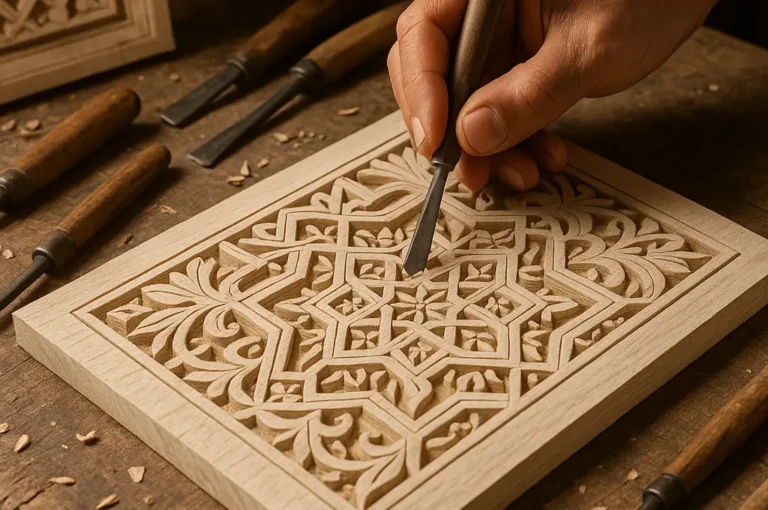
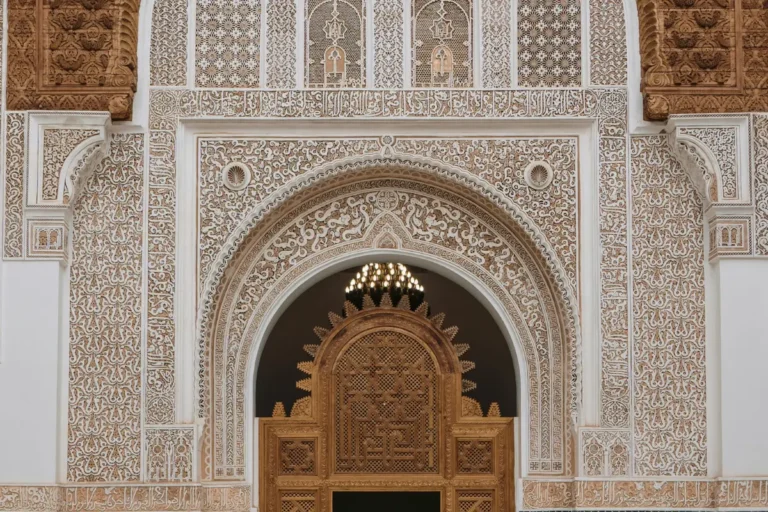
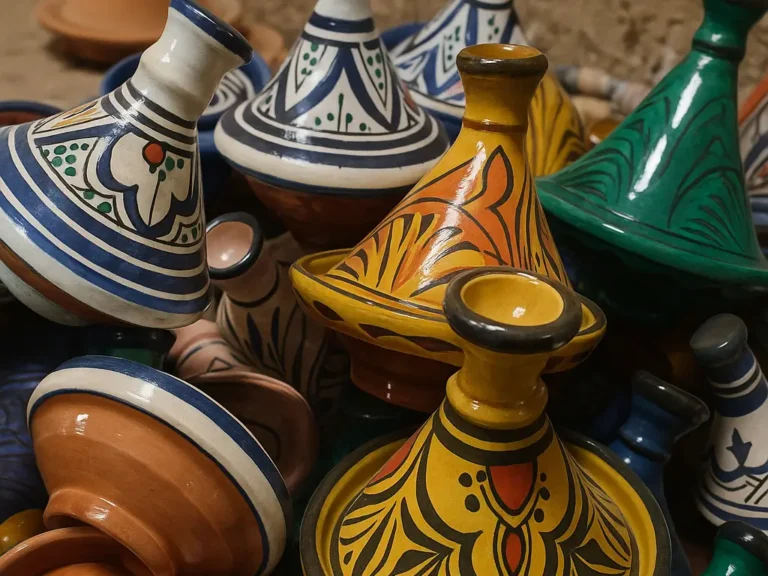
Tadelakt, Moroccan gypsum, and zellige are related but different crafts. Tadelakt is a polished lime plaster used as a waterproof surface; Moroccan gypsum is usually carved into decorative plasterwork; and Moroccan zellige tiles are handmade geometric tiles. In a traditional riad, all three can appear together: Tadelakt on walls or bathrooms, gypsum in carved arches, and zellige on floors or fountains.
How Is Tadelakt Plaster Made?
The artistry of Tadelakt lies in its hand-crafted process. The steps, while simple in theory, require precision and patience to achieve the hallmark smoothness and sheen.

By SpOne – Own work, CC BY-SA 4.0, Link
The Traditional Tadelakt Process
The journey begins with natural lime plaster, which is mixed with water to create a malleable paste. This mixture is then carefully applied to walls or surfaces using curved tools designed to enhance coverage and smoothness. While still damp, the plaster is painstakingly polished by hand, a process that can take hours. Finally, natural olive oil soap is applied to the surface. This crucial finishing touch not only enhances waterproofing but also contributes to Tadelakt’s silky texture and soft sheen.
Materials and Tools Needed
Creating Tadelakt requires a few simple but crucial materials:
- Natural lime plaster (available as a Tadelakt mix).
- Water to prepare the plaster.
- Olive oil-based soap, which seals and waterproofs the surface.
- Optional pigments to add color and customize its appearance.
For DIY enthusiasts, here’s a simple recipe:
| Ingredients | Quantity |
|---|---|
| Natural Lime Plaster | 1 part |
| Water | As needed |
| Olive Oil Soap | Small amount |
| Pigments (optional) | Based on preference |
Pro Tip: The secret to achieving Tadelakt’s luminous finish lies in patience during the polishing stage. The more you invest in this step, the more stunning the results.
Why Choose Tadelakt? Benefits and Unique Features
When it comes to interior design, there are countless materials to choose from, but Tadelakt brings something truly special to the table. Its advantages extend far beyond aesthetics.
Unparalleled Aesthetic Appeal
Tadelakt provides a seamless, grout-free look that exudes elegance. Its soft sheen resembles polished stone, offering a luxurious finish that few materials can rival. Whether installed in a statement bathroom or as an accent wall, its distinct texture and understated beauty can elevate any space.
Environmental Benefits
For eco-conscious homeowners, Tadelakt is hard to beat. It’s made entirely from natural materials—lime, water, and olive oil soap—making it biodegradable and toxin-free. Unlike conventional finishes, Tadelakt contains zero VOCs (volatile organic compounds), contributing to healthier indoor air quality. Its breathable surface also helps to prevent mold and mildew, making it a smart choice for humid spaces.
Durability and Longevity
When properly maintained, a Tadelakt finish can last for decades, making it one of the most durable options available. Resistant to scratches and naturally waterproof, it’s a reliable choice for high-traffic areas. Unlike painted or tiled finishes that may require frequent touch-ups, Tadelakt stands the test of time with minimal maintenance.
Tadelakt vs. Modern Alternatives: Which Is Right for You?
If you’re debating between Tadelakt and other wall or surface finishes, it’s important to understand what sets it apart. Here’s a quick comparison:
| Finish Type | Tadelakt | Modern Alternatives (Tiles, Paint) |
|---|---|---|
| Aesthetic | Seamless, polished stone texture | Varies (often lacks uniqueness) |
| Eco-Friendliness | 100% natural, non-toxic, zero VOCs | Often uses synthetic materials |
| Durability | Decades (if maintained) | Generally shorter lifespan |
| Waterproofness | Naturally waterproof | Requires additional waterproof layers |
Unlike tiles, which can crack over time, or paint, which may peel, Tadelakt offers unparalleled durability and a sense of timelessness. It’s the perfect choice for those drawn to sustainable, high-end finishes with an ethical appeal.
Interior Design Tips for Using Tadelakt
If you’re considering incorporating Tadelakt into your home, here are a few ideas to get your creativity flowing.
Spaces to Apply Tadelakt
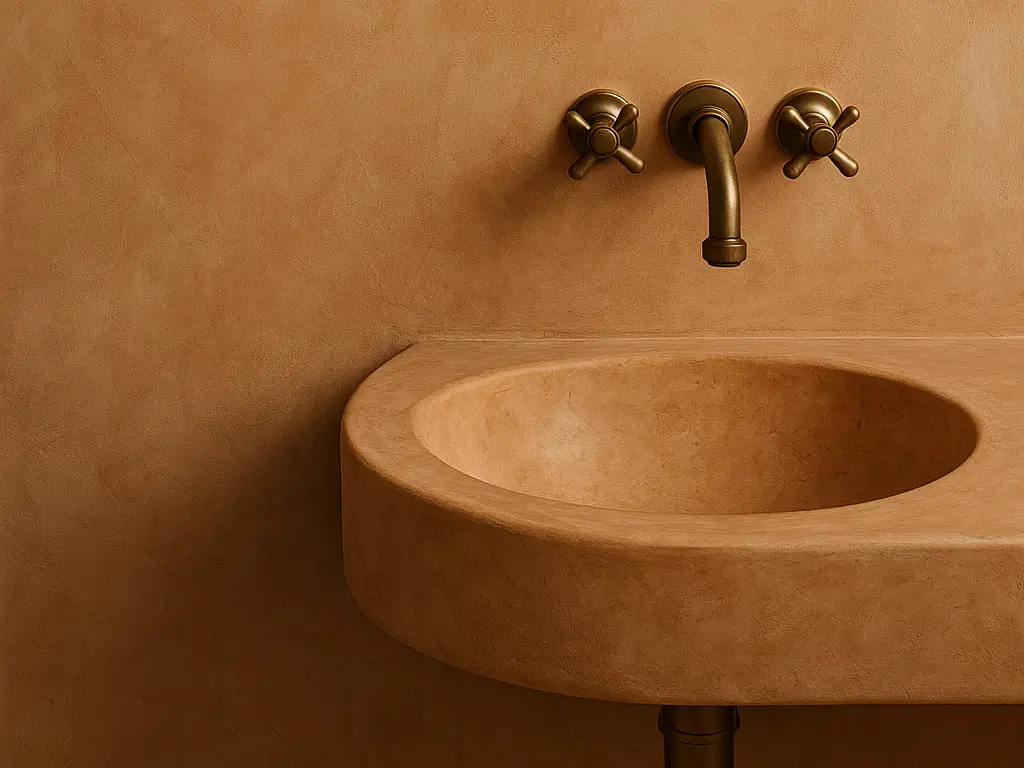
- Bathrooms & Hammams: Its moisture-resistant properties make it the ultimate choice for wet spaces. Use it for shower walls, bathtubs, or even sinks to create a serene, spa-like retreat.
- Kitchens: Embrace sustainability by opting for a Tadelakt backsplash or countertops that bring warmth and elegance to your cooking area.
- Accent Walls & Fireplaces: Add a stunning focal point in your living room or bedroom with a Tadelakt-clad wall or fireplace, evoking both luxury and comfort.
Top Color Ideas for Tadelakt Finishes
One of Tadelakt’s standout features is its ability to be customized with natural pigments. Here are some popular options:
- Earthy Neutrals: Shades like beige, cream, or soft gray can create a calm, minimalist aesthetic.
- Bold Moroccan Hues: Vibrant tones such as cobalt blue, terracotta, or saffron yellow evoke the charm and vibrancy of traditional Moroccan interiors.

By Eigenheym – Own work, CC BY-SA 4.0, Link
Caring for and Maintaining Tadelakt Plaster
Tadelakt is a low-maintenance material, but like any artisanal surface, it needs proper care to preserve its beauty.
Tips for Longevity
- Use Gentle Cleaners: Stick to natural soaps when cleaning your Tadelakt surfaces, as harsh chemicals can damage the finish.
- Avoid Abrasive Products: Never use scrubbing sponges or abrasive tools, as they may leave scratches.
- Reapply Soap Periodically: To maintain its waterproof layer, reapply olive oil soap every few months, depending on the usage.
Common Mistakes to Avoid
- Skipping Maintenance: Neglecting to polish or cleanse the surface properly can diminish its sheen.
- DIY Without Research: While it’s possible to apply Tadelakt yourself, hiring a trained artisan ensures the highest quality results.
Frequently Asked Questions About Tadelakt
Q: Is Tadelakt waterproof?
Yes. Tadelakt becomes water-resistant when lime plaster is polished and treated with olive oil soap, which creates a sealed surface suitable for showers, hammams, bathrooms, and sinks when applied correctly.
Q: Can I apply Tadelakt myself?
Small decorative projects are possible for careful beginners, but full bathrooms, showers, and wet areas should usually be handled by experienced artisans because timing, polishing, and sealing are critical.
Q: Is Tadelakt Expensive?
Initially, Tadelakt can be pricier than alternatives like paint or tiles. However, its longevity and low environmental impact make it a cost-effective choice in the long run.
Q: How Eco-Friendly Is Tadelakt?
Tadelakt is one of the most eco-friendly interior finishes available—it’s derived from natural lime and olive oil soap, making it completely non-toxic and biodegradable.
Conclusion
Infuse your home with the timeless magic of Tadelakt plaster, a material that celebrates Moroccan heritage while embracing modern eco-consciousness. Whether you’re drawn to its seamless beauty, sustainable makeup, or versatility across various applications, Tadelakt offers a unique way to enrich your living spaces. From creating a spa-inspired retreat in your bathroom to dressing up accent walls, the possibilities are limitless.
Are you ready to bring a touch of Moroccan elegance to your home? Explore the art of Tadelakt and transform your space into a sanctuary that embodies tradition, sustainability, and unmatchable style. Don’t wait—start your Tadelakt journey today!
Did you find this article helpful?
Rate it now and help us deliver better content:
There are no reviews yet. Be the first to share your feedback!